
The short version
- Price against what is for sale today and what has actually sold, not against what you paid.
- The first 30 to 60 days on the market get the most attention. Launch ready, not almost ready.
- Expect the buyer's survey to find things. Fixing obvious items before listing protects your price.
- A central listing with one accountable broker usually beats an open listing with several.
Selling a yacht is a marketing problem for about three weeks and a negotiation problem after that. Owners who understand both phases sell faster and keep more of the price.
1. Price against the market, not the purchase
The number that matters is what comparable yachts are asking right now and what similar boats have actually sold for in the last year. Your purchase price, refit spend and the figure a friend mentioned at the dock are not inputs a buyer will accept.
A good pricing conversation looks at builder, model, year, engine hours, refit history and location. It also looks at how long comparable boats have been sitting. A boat priced 10% over a crowded segment does not get 10% fewer showings; it often gets almost none, because buyers sort by price and stop scrolling.
See your market now: our valuation tool pulls every comparable yacht listed on the IYBA MLS today, with a median asking price. It is a starting point; a broker adds what has sold and what condition does to the number.
2. Choose how you list
Most US brokerage sales are central listings: you appoint one listing broker, the yacht goes on the Multiple Listing System, and every other broker can bring a buyer and share the commission. The alternative, an open listing with several brokers, sounds like more exposure but usually means no one is fully accountable for the marketing.
The commission is commonly 10% of the sale price, split between the listing broker and the broker who brings the buyer. Read the listing agreement for the term, the commission split, what happens if you sell to someone you introduced, and how either side can end it.
3. Prepare the boat before the photographs
- Fix the obvious. Anything a buyer's surveyor will find in the first hour, such as weeping hoses, dead bulbs, a tired battery bank or stained headliners, becomes a negotiating point worth far more than the repair.
- Service the engines and generators and keep the invoices. Fresh oil analysis is persuasive.
- Declutter completely. Personal items make it harder for a buyer to imagine the boat as theirs.
- Gather the paperwork: documentation or title, registration, maintenance records, manuals, and any warranty transfers.
- Detail inside and out right before the photographer arrives.
4. The launch window
New listings get the most attention in their first 30 to 60 days, when buyers with saved searches are alerted and brokers are watching the new-listings feed. Launch with professional photography, video if the boat warrants it, accurate specifications and a description that sounds like a person, not a brochure.
Price changes are also seen. A well-timed reduction can restart interest; a series of small ones tells the market you are negotiating with yourself.
5. Offers, survey and renegotiation
Offers come on an IYBA purchase and sale agreement with a deposit, commonly 10%, held in the broker's escrow account. The buyer then has a survey and sea trial period. Expect findings: almost every used yacht has some. The question is whether they are material.
When the buyer asks for a reduction after survey, your broker's job is to separate genuine discoveries from items that were already priced into a used boat. Credits often close faster than repairs, because they end the argument about workmanship.
6. Closing
At closing, funds move through escrow once clear title is confirmed: no outstanding liens or mortgages, a signed bill of sale, and the documentation transfer in order. If you still have a loan, your lender's payoff is handled from the proceeds.
From accepted offer to closing, a straightforward sale takes three to six weeks.
Common questions
How much does it cost to sell a yacht with a broker?
Commission is commonly 10% of the sale price, split between the listing broker and the broker who brings the buyer. Confirm the figure and the split in your listing agreement.
How long does it take to sell a yacht?
It depends on pricing and segment. A well-priced boat in a liquid segment can go under contract within weeks; an overpriced one can sit for a year. From accepted offer to closing usually takes three to six weeks.
Should I fix things before I list?
Fix what a surveyor will find in the first hour and service the machinery. Those items cost far more in negotiation than they do to repair.
What is a central listing?
A listing with one appointed broker, shared on the Multiple Listing System so any broker can bring a buyer. It gives you one accountable marketer and full market exposure.
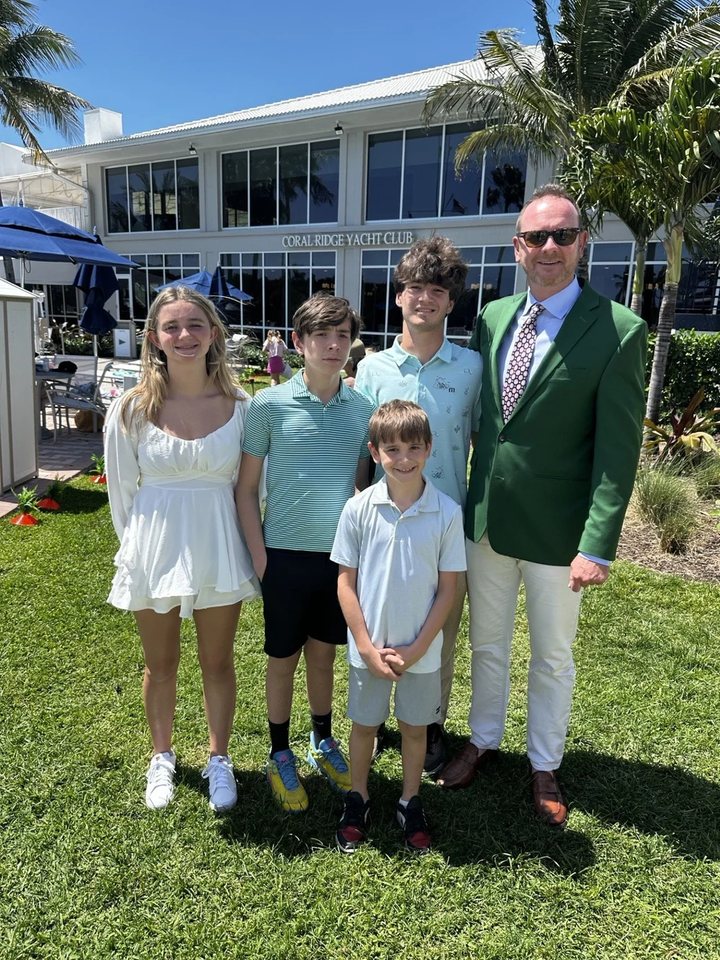
Talk it through with Kevin
Coast Guard veteran. Fifteen years at Denison Yachting, where he managed new-boat sales for Selene and Hatteras. Founded Resolute in 2021.