
The short version
- Your buyer's broker costs you nothing: the seller pays the commission and it is split.
- Offers are made subject to survey and sea trial, with about 10% held in escrow.
- Diarise the acceptance deadline the day your offer is accepted. Missing it can cost the deposit.
- A clean transaction usually runs three to six weeks from accepted offer to closing.
Most people buying their first serious boat assume the hard part is choosing the vessel. It usually is not. The hard part is the eight weeks between an accepted offer and a closing, where surveys, sea trials, escrow, documentation and negotiation all overlap.
1. Get a broker on your side first. It costs you nothing
This is the single most misunderstood point in yacht brokerage. In a standard co-brokerage transaction, the seller pays the commission, and it is split between the listing broker and the broker representing the buyer. If you approach a listing broker directly, that broker represents the seller's interests and typically keeps the full commission. You have not saved money. You have simply gone unrepresented.
A buyer's broker costs you nothing additional and can search the entire IYBA Multiple Listing System on your behalf, not just one company's inventory.
2. Narrow the search before you fly in
Fort Lauderdale rewards preparation. Before travelling, settle on:
- Intended use. Day boating with family, offshore fishing, Bahamas crossings and liveaboard cruising point at completely different hulls.
- Realistic length. Length drives everything downstream: dockage, insurance, crew, haul-out costs.
- Whether you will run her yourself. Roughly speaking, above 60 feet most owners run with at least a captain.
A good broker will cut a list of forty candidates to six before you spend a day walking docks.
3. The offer and deposit
Offers are normally made on an IYBA purchase and sale agreement. The offer is accompanied by a deposit: commonly 10% of the purchase price: held in the broker's escrow account, not the seller's.
Critically, the offer is made subject to survey and sea trial. That contingency is what protects you: it lets you reject the vessel, or renegotiate, after inspection.
Watch the acceptance window. The contract specifies a date by which you must accept or reject the vessel following survey. Miss it and your deposit can become non-refundable. Diarise it the day the offer is accepted.
4. Survey and sea trial
You pay for the survey, and you should choose the surveyor, not the seller and not the listing broker. Budget for:
| Item | Typical range |
|---|---|
| Hull & general condition survey | $20–$30 per foot |
| Engine survey (separate specialist) | $500–$2,500 |
| Short haul for bottom inspection | $300–$1,200 |
| Oil analysis | $50–$200 |
These are broad South Florida ranges and vary with vessel size, engine count and yard rates. Treat them as planning figures rather than quotes. See our separate guide on what a marine survey actually covers.
5. Renegotiation
Almost every survey turns up something. The question is which findings are material. Cosmetic wear is priced into a used boat already; structural moisture, corroded stringers, failing running gear or non-compliant fuel systems are not.
You have three options: accept as-is, request the seller repair specific items before closing, or request a price allowance. Allowances tend to close faster than repairs, because they remove the argument about workmanship.
6. Closing and documentation
At closing the balance is wired to escrow and released to the seller once clear title transfers. Your broker should be confirming, before funds move:
- A clear title search with no outstanding liens or mortgages
- A properly executed bill of sale
- USCG documentation transfer, or Florida state titling for smaller vessels
- Florida sales or use tax treatment: capped for vessels, but with conditions
- Insurance bound and effective from the moment of transfer
On Florida sales tax: Florida caps sales tax on a vessel purchase, and there are offshore-closing and non-resident structures that change the outcome substantially. The rules are specific and they change. Confirm your situation with a marine attorney or tax advisor before closing. A broker can flag the issue but should not be your tax counsel.
How long does it take?
From accepted offer to closing, a straightforward transaction runs about three to six weeks. Financing, foreign flag vessels, or a seller who is cruising can extend that considerably.
Yachts we represent in Fort Lauderdale
Loading live listings…
Common questions
Do I pay my buyer's broker?
No. In a standard co-brokerage sale the seller pays the commission and it is split with the broker who represents the buyer. Working unrepresented does not reduce the price, it just leaves you without someone on your side.
How big a deposit is normal?
Ten percent of the offer price is the common figure, held in the broker's escrow account and refundable while your survey contingency is still live.
Can I use the seller's surveyor?
You can, but you should not. The survey is your protection and the surveyor should be working for you. Choose and pay for your own.
Is it cheaper to buy a boat in Florida?
Selection is far deeper in South Florida, which tends to help pricing, and closing infrastructure is mature. Whether it is cheaper overall depends heavily on tax residency and where you intend to keep the vessel.
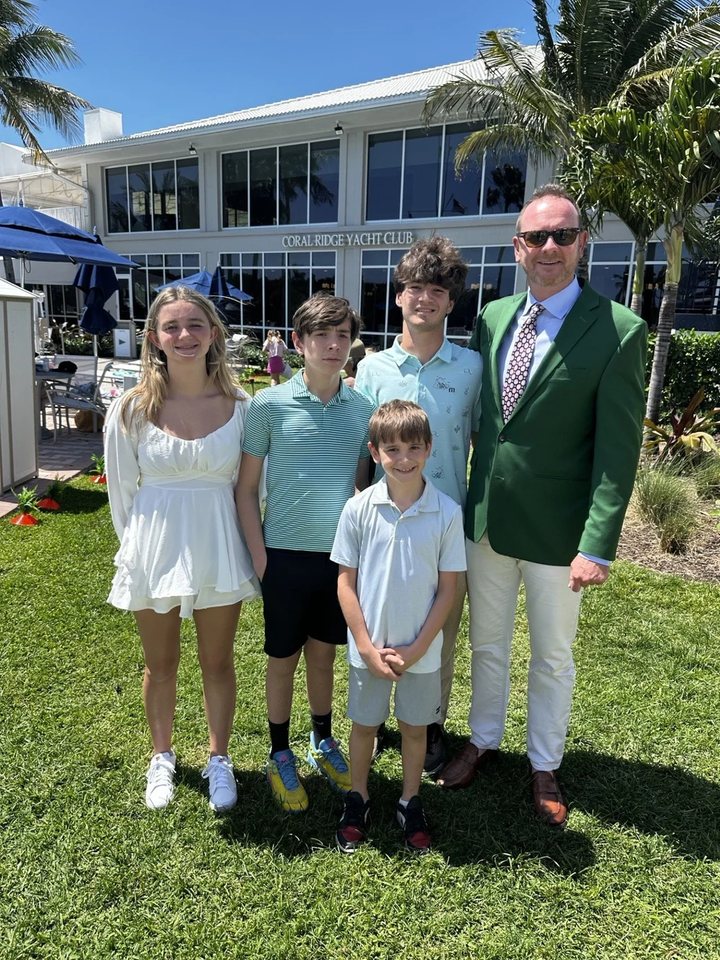
Talk it through with Kevin
Coast Guard veteran. Fifteen years at Denison Yachting, where he managed new-boat sales for Selene and Hatteras. Founded Resolute in 2021.